
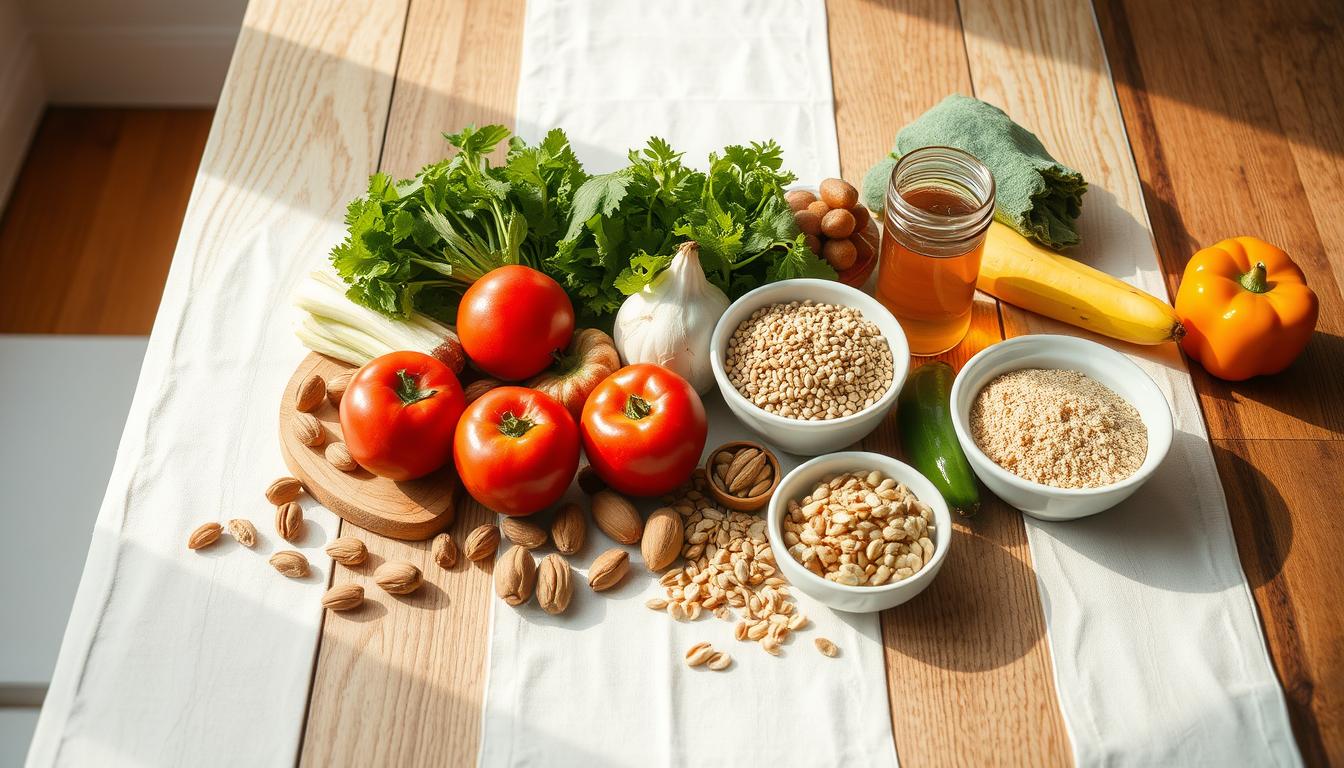
Are you tired of feeling sluggish and unmotivated? Are you looking for a way to boost your energy and overall health? Adopting a whole food diet can be the key to unlocking a healthier, happier you.
So, what exactly is a whole food diet? It’s an eating plan that focuses on consuming unprocessed, nutrient-dense foods, such as fruits, vegetables, lean proteins, and whole grains. By making this shift, you can experience significant improvements in your overall well-being.
Embarking on this journey may seem daunting, but with a clear understanding of how to start, you’ll be on your way to a healthier lifestyle. In this guide, we’ll walk you through the initial steps to transition to a whole food diet.
Key Takeaways
- Understand the concept of a whole food diet and its benefits
- Learn how to identify and incorporate whole, nutrient-dense foods
- Discover the initial steps to transition to a whole food diet
- Explore the importance of meal planning and preparation
- Get started on your journey to a healthier, more balanced lifestyle
Understanding the Whole Food Diet
Understanding the principles of a whole food diet is essential for making informed choices about your nutrition. A whole food diet is centered around consuming foods that are minimally processed and rich in nutrients.
What Defines a Whole Food?
Whole foods are those that are unprocessed and unrefined, or minimally processed, and are free from additives and artificial substances. Examples include fresh fruits, vegetables, whole grains, lean proteins, and healthy fats. These foods are typically rich in vitamins, minerals, and antioxidants.
Whole Foods vs. Processed Foods
The distinction between whole foods and processed foods is crucial. Processed foods often contain added sugars, preservatives, and unhealthy fats, which can be detrimental to health. In contrast, whole foods provide sustained energy and support overall wellbeing. The table below highlights key differences:
| Characteristics | Whole Foods | Processed Foods |
|---|---|---|
| Nutrient Content | Rich in vitamins, minerals, and antioxidants | High in added sugars, preservatives, and unhealthy fats |
| Processing Level | Minimally processed | Heavily processed |
| Health Impact | Supports overall health and wellbeing | Can be detrimental to health |
Common Misconceptions About Whole Food Diets
One common misconception is that a whole food diet is too restrictive or expensive. However, with some planning, it’s possible to adopt a whole food diet on a budget. Another misconception is that it’s difficult to follow; in reality, simple changes can lead to significant health benefits.
Your Complete Whole Food Diet Guide: Benefits and Science
Adopting a whole food diet is a transformative step towards achieving optimal health. This dietary approach focuses on consuming foods that are unprocessed and unrefined, thereby providing the body with the necessary nutrients for optimal functioning.

Nutritional Advantages of Whole Foods
Whole foods, such as fruits, vegetables, whole grains, lean proteins, and healthy fats, are rich in essential nutrients. They provide vitamins, minerals, antioxidants, and fiber, which are crucial for maintaining good health. Unlike processed foods, whole foods do not contain added sugars, unhealthy fats, or excessive sodium.
“Eating a diet rich in whole foods can significantly reduce the risk of chronic diseases.” This is because whole foods are packed with nutrients that help in regulating bodily functions and protecting against disease.
Health Benefits Backed by Research
Research has shown that a diet rich in whole foods can have numerous health benefits. For instance, a study published in the Journal of the American Medical Association found that a higher intake of whole foods was associated with a lower risk of chronic diseases such as heart disease and diabetes.
“A diet that emphasizes whole foods can help in managing weight, improving blood sugar control, and reducing the risk of cardiovascular disease.”
Whole Food Diet for Weight Loss and Management
A whole food diet is also effective for weight loss and management. By focusing on whole, unprocessed foods, individuals can avoid the high-calorie, high-fat, and high-sugar foods that are common in processed diets. Moreover, whole foods are more satiating, which can lead to reduced calorie intake.
Creating whole foods meal plans can further support weight loss efforts. By planning meals around whole foods, individuals can ensure they are getting the necessary nutrients while keeping calorie intake in check.
In conclusion, adopting a whole food diet offers numerous nutritional and health benefits, backed by scientific research. It’s a sustainable approach to healthy eating that can lead to significant improvements in overall health and well-being.
How to Start a Whole Food Diet
The journey to a whole food diet begins with assessing your current diet and making informed decisions. Understanding what you eat and why is crucial for making lasting changes.
Assessing Your Current Eating Habits
Start by keeping a food diary to track everything you eat for a week or two. This will help you identify patterns, favorite foods, and areas for improvement. Be honest with yourself, and don’t worry about what others might think.
Using your food diary, categorize your foods into whole foods, processed foods, and occasional treats. This exercise will give you a clear picture of your current eating habits and highlight where you can make adjustments.
Setting Realistic Goals and Timeframes
Setting achievable goals is vital for success. Decide what changes you want to make and set a realistic timeline. Whether it’s replacing processed snacks with whole food alternatives or adopting a fully whole food diet, having a clear plan will keep you on track.
Consider setting milestones, like completing a whole food meal plan for the week or cooking a certain number of whole food meals per week. Celebrate your successes along the way to stay motivated.
Step-by-Step Transition Plan
Transitioning to a whole food diet doesn’t have to be overwhelming. Here’s a step-by-step plan to help you get started:
Week 1: First Substitutions
Begin by substituting one or two processed foods with whole food alternatives. For example, try whole food recipes like overnight oats for breakfast or a hearty salad for lunch.
Week 2-3: Expanding Your Whole Food Repertoire
Continue to expand your whole food diet by incorporating more whole food cooking tips. Try new recipes, and experiment with different cooking methods like roasting or grilling.
Month 1 and Beyond: Solidifying Habits
By the end of the first month, you should be comfortable with your whole food diet. Continue to explore new whole food recipes and refine your whole food cooking tips to keep your diet interesting and varied.
| Week | Action | Tips |
|---|---|---|
| 1 | Substitute processed foods | Start with breakfast or snacks |
| 2-3 | Expand whole food diet | Try new recipes and cooking methods |
| Month 1+ | Solidify habits | Continue exploring new recipes and tips |
Overcoming Common Challenges
One of the biggest challenges is often the perceived cost and time required for a whole food diet. However, with some planning, you can save both time and money. Consider meal prepping, buying in bulk, and using seasonal produce to make your whole food diet more affordable and manageable.
Another challenge is dealing with cravings for processed foods. Stay hydrated, and find healthy alternatives to satisfy your cravings. For instance, if you’re craving something sweet, try reaching for fruit or making a dessert using natural sweeteners.
Starting a whole food diet is a journey, not a destination. Be patient with yourself, and don’t be too hard on your setbacks. With persistence and the right mindset, you can make a successful transition to a whole food diet.
Practical Whole Food Living
Practical whole food living is about integrating wholesome foods into your daily routine in a way that’s both achievable and enjoyable. It’s a lifestyle that emphasizes the importance of whole, unprocessed foods in your diet. By making a few simple changes, you can start experiencing the benefits of a whole food diet.

Essential Whole Food Shopping List
Creating a whole food shopping list is the first step towards adopting a healthier diet. It helps you stay focused on whole foods and avoid processed ones.
Pantry Staples
Stocking your pantry with whole food staples is crucial. These include whole grains like brown rice, quinoa, and whole wheat, canned beans, and nuts. Having these on hand makes it easier to prepare healthy meals.
Fresh Produce Guide
Fresh produce is a cornerstone of a whole food diet. Aim to include a variety of colorful fruits and vegetables in your shopping list. This ensures you’re getting a broad range of nutrients.
Budget-Friendly Options
Eating whole foods doesn’t have to be expensive. Buying in season, shopping at local farmers’ markets, and planning your meals can help you stay within budget.
Whole Food Meal Planning and Preparation
Meal planning is a key component of whole food living. It involves planning your meals around whole foods, making a shopping list, and preparing your meals in advance.
Simple Whole Food Recipes for Beginners
Starting with simple recipes can make the transition to a whole food diet easier. Recipes like quinoa salads, lentil soups, and roasted vegetables are great for beginners.
Time-Saving Whole Food Cooking Tips
Cooking whole foods can be quick and easy. Tips like prepping ingredients in advance, using a slow cooker, and cooking in bulk can save you time during the week.
By incorporating these practical tips into your daily routine, you can make whole food living a sustainable part of your lifestyle.
Conclusion: Sustaining Your Whole Food Lifestyle
Embracing a whole food diet is a journey towards a healthier, more balanced lifestyle. By understanding the principles of whole food eating, you can make informed choices that nourish your body and support overall well-being.
A successful whole food diet guide emphasizes the importance of gradual, sustainable changes. Start by incorporating more whole foods into your meals, and gradually phase out processed and packaged items.
As you continue on your whole food journey, remember that consistency and patience are key. With a well-planned whole food diet guide, you can achieve your health goals and maintain a balanced lifestyle.
By adopting a whole food diet, you’ll not only improve your physical health but also cultivate a more positive relationship with food. Stay committed, and you’ll be on your way to a healthier, happier you.
FAQ
What is a whole food diet?
A whole food diet focuses on consuming unprocessed, unrefined, and nutrient-dense foods, such as fruits, vegetables, whole grains, lean proteins, and healthy fats, to promote overall health and well-being.
How do I start a whole food diet?
To start a whole food diet, begin by assessing your current eating habits, setting realistic goals, and creating a step-by-step transition plan that includes substituting processed foods with whole foods, meal planning, and grocery shopping.
What are the benefits of a whole food diet?
A whole food diet offers numerous benefits, including improved nutrition, weight loss, reduced risk of chronic diseases, and enhanced overall health, backed by scientific research and practical examples.
How can I make whole food meal planning easier?
To simplify whole food meal planning, create a shopping list of essential whole foods, plan meals around seasonal produce, and prep ingredients in advance to save time and ensure healthy eating.
Are whole food diets expensive?
While some whole foods, like organic produce, can be pricier, a whole food diet can be budget-friendly by incorporating affordable options like beans, lentils, and seasonal produce, and by reducing food waste.
Can I follow a whole food diet for weight loss?
Yes, a whole food diet can be an effective approach to weight loss, as it focuses on nutrient-dense foods, portion control, and mindful eating, helping you achieve and maintain a healthy weight.
What are some simple whole food recipes for beginners?
Simple whole food recipes for beginners include dishes like roasted vegetables, quinoa salads, grilled chicken or fish, and hearty soups, which can be prepared with minimal ingredients and cooking skills.
How do I overcome common challenges when transitioning to a whole food diet?
To overcome common challenges, start by making gradual changes, seeking support from friends or online communities, and being kind to yourself when faced with setbacks, allowing you to stay on track and maintain a balanced whole food lifestyle.