
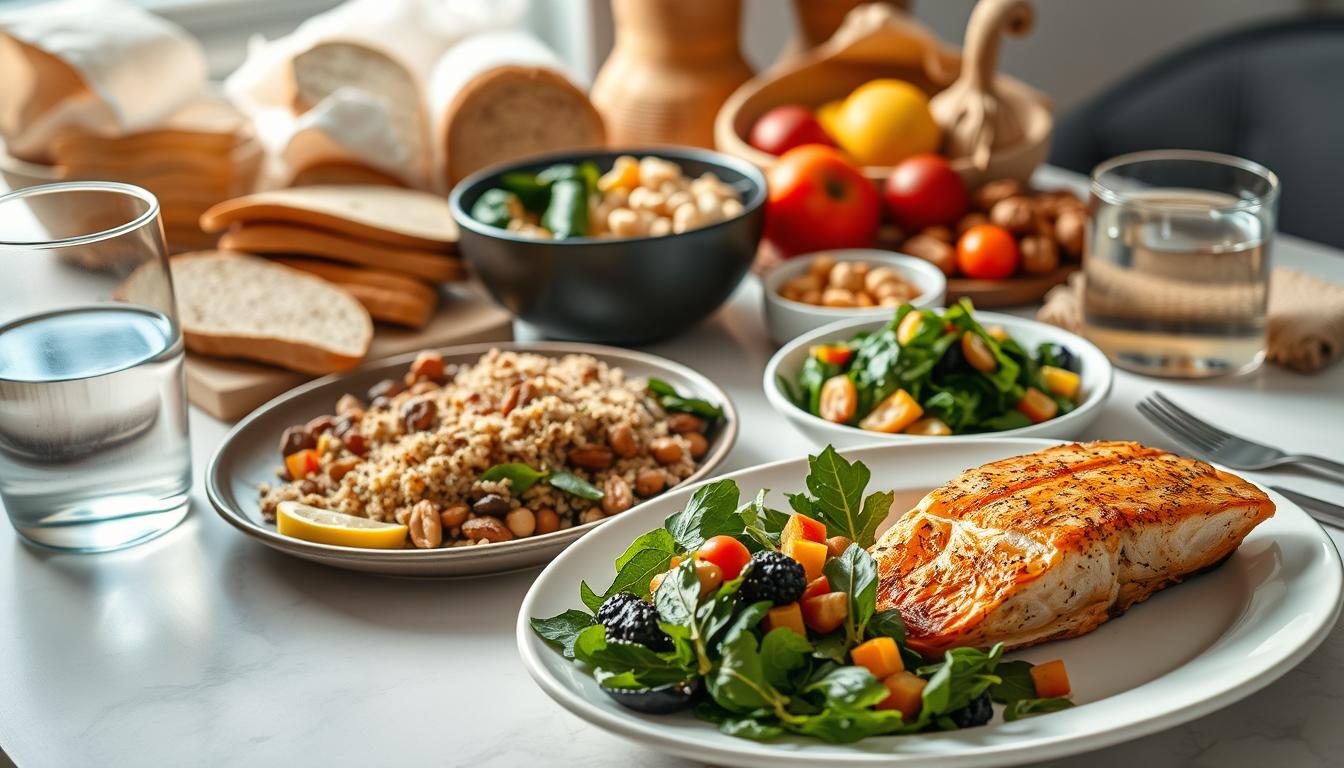
Are you tired of feeling sluggish and lethargic after meals? Do you struggle with managing your blood sugar levels? You’re not alone. Many of us face these challenges daily, but there’s a simple yet effective solution: incorporating healthy low-glycemic meals into your daily routine.
A low-glycemic diet focuses on foods that are digested slowly, causing a gradual increase in blood sugar levels. This approach can help you maintain energy levels, manage weight, and even reduce the risk of chronic diseases like diabetes.
By making a few simple changes to your meal plan, you can start experiencing the benefits of a balanced diet. In this article, we’ll explore some delicious and easy-to-make low-glycemic diet recipes to get you started.
Key Takeaways
- Understand the benefits of a low-glycemic diet for overall health.
- Learn how to incorporate healthy low-glycemic meals into your daily routine.
- Discover simple and delicious low-glycemic diet recipes.
- Find out how to manage blood sugar levels effectively.
- Explore the connection between low-glycemic foods and weight management.
Understanding the Low-Glycemic Diet
A low-glycemic diet focuses on consuming foods that have a minimal impact on blood sugar levels. This approach to eating is based on the glycemic index, a measure that ranks foods according to their effect on blood glucose.
What Is the Glycemic Index?
The glycemic index (GI) is a scale that ranks foods from 0 to 100 based on how much they raise blood sugar levels after consumption. Foods with a high GI, such as white bread and sugary snacks, cause a rapid spike in blood sugar, while low GI foods like whole grains and non-starchy vegetables result in a more gradual increase.
Health Benefits of Low-Glycemic Eating
Adopting a low-glycemic diet can have numerous health benefits, including weight management and improved blood sugar control. By focusing on low GI foods, individuals can reduce their risk of developing chronic diseases like type 2 diabetes and heart disease. Additionally, low-glycemic eating can help sustain energy levels and support overall wellbeing.
Key Low-Glycemic Foods to Include
Incorporating the right foods into a low-glycemic diet is essential. Some key options include:
| Food Category | Examples |
|---|---|
| Fruits | Apples, Berries, Oranges |
| Vegetables | Broccoli, Spinach, Bell Peppers |
| Grains | Whole Wheat Bread, Quinoa, Brown Rice |
| Protein Sources | Lean Meats, Fish, Legumes |
By including these foods in your diet, you can reap the benefits of low-glycemic eating and move towards a healthier lifestyle.
Essential Low-Glycemic Diet Recipes for Breakfast
Starting your day with a low-glycemic breakfast can significantly improve your overall health. A low-glycemic diet helps maintain stable blood sugar levels, providing sustained energy throughout the morning. Here are some delicious and easy-to-make low-glycemic breakfast recipes to incorporate into your daily routine.
Overnight Chia Seed Pudding
Overnight chia seed pudding is a nutritious and filling breakfast option. Mix chia seeds with almond milk, let it sit overnight, and top with fresh fruits in the morning. This dish is rich in fiber and omega-3 fatty acids. To make it, you’ll need 1/2 cup chia seeds, 1 cup almond milk, and 1 tablespoon honey. Combine the ingredients in a jar, refrigerate overnight, and serve with your favorite fruits.
Greek Yogurt with Berries and Nuts
Combining Greek yogurt with berries and nuts creates a protein-packed breakfast that’s low on the glycemic index. The protein and fiber help keep you full until lunchtime. Use 1 cup Greek yogurt, 1/2 cup mixed berries, and 1 ounce of nuts like almonds or walnuts. This recipe is not only delicious but also provides a good source of calcium and antioxidants.

Vegetable and Egg Frittata
A vegetable and egg frittata is a versatile and healthy breakfast option. It’s easy to make with eggs, various vegetables, and a bit of cheese. This dish is high in protein and can be customized with your favorite vegetables. To prepare, whisk 4 eggs with salt and pepper, add 1 cup diced vegetables (like bell peppers, onions, and mushrooms), and 1/4 cup shredded cheese. Pour the mixture into a greased skillet and cook until set.
Steel-Cut Oatmeal with Cinnamon
Steel-cut oatmeal cooked with cinnamon is a comforting and low-glycemic breakfast. Steel-cut oats are less processed than rolled oats, making them a better choice for maintaining stable blood sugar levels. Cook 1/2 cup steel-cut oats with 1 cup water or milk, and add cinnamon to taste. This warm, hearty breakfast is perfect for chilly mornings.
These easy low-glycemic recipes can be incorporated into your low-glycemic meal plans to start your day on a healthy note. Enjoy experimenting with these delicious low-glycemic dishes and make your breakfast both nutritious and satisfying.
| Recipe | Glycemic Index | Nutritional Highlights |
|---|---|---|
| Overnight Chia Seed Pudding | Low | High in fiber and omega-3 fatty acids |
| Greek Yogurt with Berries and Nuts | Low | Rich in protein, calcium, and antioxidants |
| Vegetable and Egg Frittata | Low | High in protein and customizable with vegetables |
| Steel-Cut Oatmeal with Cinnamon | Low | Maintains stable blood sugar levels, high in fiber |
Satisfying Low-Glycemic Lunch Options
Discover the benefits of low-glycemic eating with our collection of satisfying and healthy lunch options. Incorporating low-glycemic recipes into your diet can help manage blood sugar levels and provide sustained energy throughout the day. Here, we’ll explore some delicious and easy-to-make low-glycemic lunch ideas.
Mediterranean Quinoa Salad
A refreshing and nutritious option, Mediterranean quinoa salad combines cooked quinoa with chopped vegetables like cucumbers, tomatoes, and bell peppers, topped with feta cheese and a drizzle of olive oil. This salad is not only flavorful but also packed with fiber and protein.
Lentil and Vegetable Soup
Lentil and vegetable soup is a hearty and comforting choice for a low-glycemic lunch. Made with red or green lentils, a variety of vegetables, and aromatic spices, this soup is rich in nutrients and fiber, making it very filling.
Turkey and Avocado Lettuce Wraps
For a lighter option, turkey and avocado lettuce wraps are a great choice. Sliced turkey breast, avocado, and crisp lettuce leaves wrapped around a filling of your choice make for a satisfying and healthy meal that’s low in glycemic index.
Chickpea and Vegetable Power Bowl
Chickpea and vegetable power bowls are another excellent low-glycemic option. With a base of chickpeas, topped with a variety of roasted or sautéed vegetables, and finished with a tahini dressing, these bowls are nutrient-dense and filling.
| Recipe | Calories | Protein | Fiber |
|---|---|---|---|
| Mediterranean Quinoa Salad | 400 | 15g | 8g |
| Lentil and Vegetable Soup | 450 | 18g | 10g |
| Turkey and Avocado Lettuce Wraps | 350 | 25g | 7g |
| Chickpea and Vegetable Power Bowl | 500 | 20g | 12g |
These low-glycemic lunch options not only provide a delicious meal but also contribute to a balanced diet, helping you stay energized and focused throughout the day.
Delicious Low-Glycemic Dinner Recipes
Delicious and healthy low-glycemic dinner recipes are within your reach, and we’re excited to share them with you. Eating a balanced dinner is crucial for maintaining overall health, and low-glycemic recipes can help regulate blood sugar levels and provide sustained energy. Here are some mouth-watering dinner ideas that fit perfectly into a low-glycemic diet.
Baked Salmon with Roasted Vegetables
Baked salmon is a great source of omega-3 fatty acids, paired with roasted vegetables like broccoli and Brussels sprouts, it’s a nutritious and flavorful dinner option. Simply season the salmon with lemon and herbs, and roast the vegetables with olive oil and salt.
Zucchini Noodles with Turkey Meatballs
Zucchini noodles are a low-glycemic alternative to traditional pasta, and when paired with turkey meatballs made from lean ground turkey, it’s a protein-packed meal. Use a spiralizer to create zucchini noodles and serve with homemade meatballs and a low-glycemic tomato sauce.

Stuffed Bell Peppers with Lean Ground Beef
Stuffed bell peppers are a colorful and nutritious dinner option. Fill bell peppers with a mixture of lean ground beef, cauliflower rice, and spices, and bake until tender. This dish is not only low in glycemic index but also rich in vitamins and minerals.
Grilled Chicken with Sweet Potato and Broccoli
Grilled chicken breast paired with roasted sweet potato and steamed broccoli makes for a well-rounded dinner. Sweet potatoes are a good source of fiber, and when cooked properly, they have a moderate glycemic index. Pair them with grilled chicken and steamed broccoli for a balanced meal.
Some key benefits of these low-glycemic dinner recipes include:
- Regulated blood sugar levels
- Increased intake of essential nutrients
- Support for a healthy weight management
By incorporating these delicious low-glycemic dinner recipes into your meal plan, you can enjoy flavorful meals while maintaining a balanced diet.
Creating a Weekly Low-Glycemic Diet Recipes Plan
A well-structured meal plan is the backbone of a successful low-glycemic diet. It not only helps in maintaining a balanced intake of nutrients but also ensures that you’re consuming foods that keep your blood sugar levels stable.
To start, let’s look at some key strategies for creating an effective low-glycemic meal plan.
Smart Grocery Shopping for Low-Glycemic Ingredients
Smart grocery shopping is the first step towards a successful low-glycemic diet. Focus on purchasing whole, unprocessed foods like vegetables, fruits, lean proteins, and whole grains. Avoid foods with added sugars and refined carbohydrates.
Meal Prep Strategies for Success
Meal preparation is crucial for sticking to your low-glycemic diet. Set aside time each week to prepare your meals, focusing on recipes that can be easily reheated or taken on the go.
| Meal | Low-Glycemic Option | Tips |
|---|---|---|
| Breakfast | Oatmeal with fruits | Choose steel-cut or rolled oats |
| Lunch | Grilled chicken salad | Add plenty of vegetables and a simple vinaigrette |
| Dinner | Baked salmon with roasted vegetables | Season with herbs and lemon juice |
Adapting Your Favorite Recipes
Don’t feel like you have to give up your favorite dishes. Instead, adapt them to fit your low-glycemic diet. For example, substitute high-glycemic ingredients with lower-glycemic alternatives.
Dining Out While Maintaining a Low-Glycemic Diet
Dining out can be challenging, but it’s not impossible to stick to your diet. Choose restaurants that offer healthy, low-glycemic options, and don’t be afraid to ask for modifications to suit your dietary needs.
By following these strategies, you can create a weekly low-glycemic diet plan that is both effective and sustainable, helping you achieve your health and dietary goals.
Conclusion: Embracing a Low-Glycemic Lifestyle
Adopting a low-glycemic lifestyle can have a significant impact on overall health and wellbeing. By incorporating low-glycemic foods into your diet, you can experience the low-glycemic diet benefits, such as improved blood sugar control and increased energy levels.
The recipes and meal planning strategies provided in this article offer a great starting point for your journey. From delicious breakfast options like overnight chia seed pudding to satisfying dinner recipes like baked salmon with roasted vegetables, there’s a wealth of low-glycemic recipe inspiration to explore.
By focusing on low-glycemic foods for health, you can create a balanced and nutritious diet that supports your overall wellbeing. So why not get started today and discover the benefits of a low-glycemic lifestyle for yourself?
FAQ
What is a low-glycemic diet, and how does it work?
A low-glycemic diet focuses on consuming foods that have a low glycemic index, meaning they won’t cause a significant spike in blood sugar levels. This diet works by regulating the body’s insulin response, promoting weight management, and improving overall health.
What are the benefits of following a low-glycemic diet?
The benefits of a low-glycemic diet include weight loss, improved blood sugar control, increased energy, and reduced risk of chronic diseases such as diabetes and heart disease. It can also help with managing cravings and supporting a healthy gut.
What are some examples of low-glycemic foods?
Low-glycemic foods include non-starchy vegetables like broccoli and spinach, most fruits like berries and citrus, lean proteins like chicken and fish, and whole grains like quinoa and brown rice. Healthy fats like avocado and nuts are also low-glycemic.
Can I still enjoy my favorite high-glycemic foods on a low-glycemic diet?
While it’s recommended to limit high-glycemic foods, you can still enjoy them in moderation. Consider adapting your favorite recipes to low-glycemic versions by substituting ingredients or adjusting cooking methods.
How do I get started with a low-glycemic meal plan?
Start by stocking your pantry with low-glycemic ingredients, planning your meals around whole foods, and exploring new recipes. You can also consult with a healthcare professional or registered dietitian for personalized guidance.
Are there any low-glycemic diet recipes that are easy to prepare?
Yes, there are many easy and delicious low-glycemic recipes, such as overnight chia seed pudding, grilled chicken with roasted vegetables, and lentil soup. You can find inspiration online or in cookbooks, and experiment with new ingredients and flavors.
Can I still dine out while following a low-glycemic diet?
Yes, you can dine out while maintaining a low-glycemic diet. Choose restaurants that offer whole, unprocessed foods, and opt for dishes that feature lean proteins, vegetables, and whole grains. Don’t be afraid to ask your server for modifications or substitutions to suit your dietary needs.
How can I make low-glycemic cooking more flavorful and exciting?
To add flavor to your low-glycemic cooking, try experimenting with herbs and spices, using different cooking methods like grilling or roasting, and incorporating healthy fats like olive oil and avocado. You can also explore international cuisines, like Mediterranean or Asian, for inspiration.