
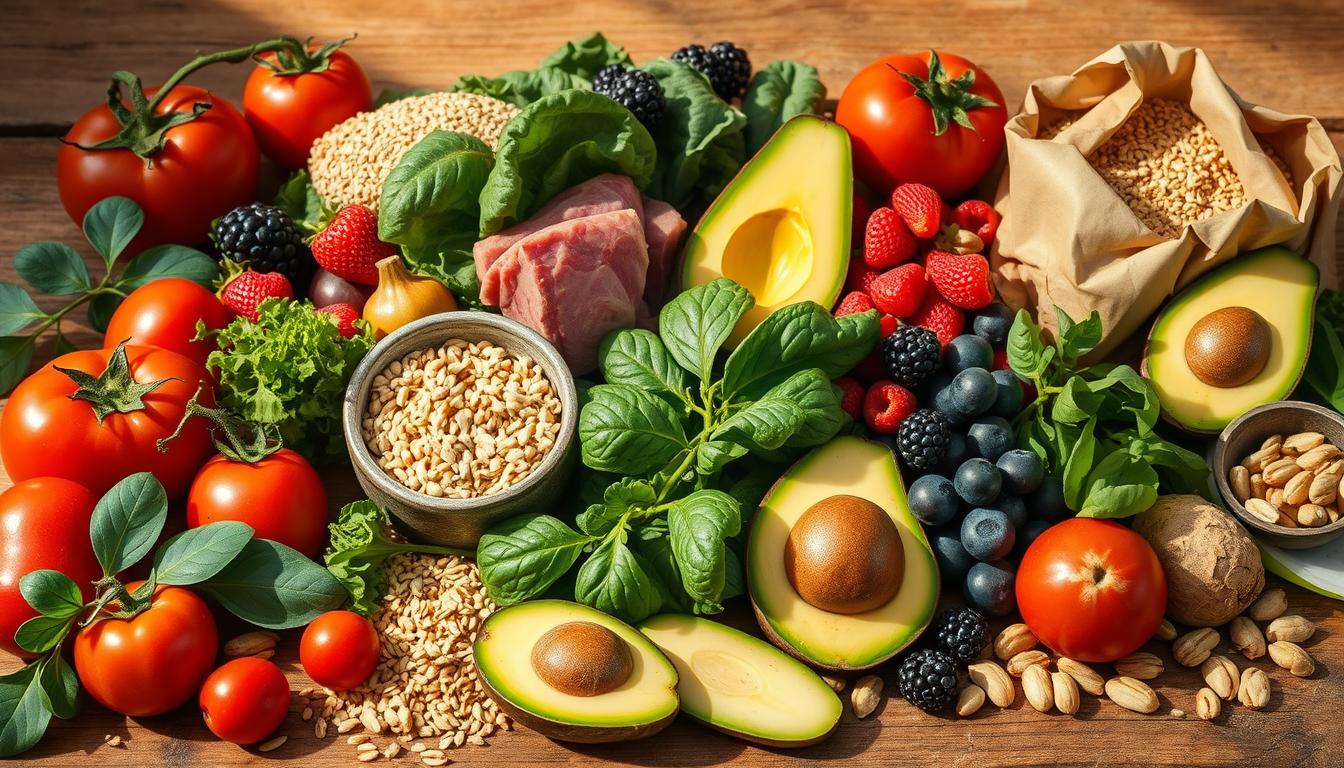
Are you aware that your diet plays a significant role in maintaining a healthy heart? With heart disease being one of the leading causes of death worldwide, it’s essential to make informed choices about the food you eat.
Eating a balanced diet rich in nutrients can help lower your risk of heart disease. Nourishing your body with the right foods can make a significant difference in your overall cardiovascular health.
In this article, we’ll explore some delicious and nutritious heart-friendly recipes that can help you maintain a healthy heart. From salads to main courses, we’ll provide you with practical advice on preparing meals that are both tasty and good for your heart.
Key Takeaways
- Understanding the importance of diet in heart health
- Exploring heart-friendly ingredients and recipes
- Learning how to prepare balanced meals for cardiovascular health
- Discovering tips for maintaining a healthy heart through diet
- Finding inspiration for delicious and nutritious meals
Understanding Heart-Healthy Nutrition
Heart health begins with the food on your plate. Making heart-healthy food choices is crucial for maintaining cardiovascular well-being and reducing the risk of heart disease. A well-balanced diet can help lower cholesterol levels, manage blood pressure, and keep your heart functioning properly.
Key Nutrients for Cardiovascular Health
Certain nutrients play a significant role in supporting heart health. These include omega-3 fatty acids, which help reduce inflammation, fiber to lower cholesterol, and antioxidants to combat oxidative stress. Incorporating these nutrients into your diet through foods like fatty fish, nuts, and a variety of fruits and vegetables is essential.
Foods to Embrace and Limit
To make nutritious meals for heart health, it’s vital to know which foods to embrace and which to limit. Emphasize whole grains, lean proteins, and a variety of colorful vegetables. Limit foods high in saturated fats, sodium, and added sugars. This balance helps in maintaining a healthy heart.
The DASH and Mediterranean Diet Principles
Diets like DASH (Dietary Approaches to Stop Hypertension) and the Mediterranean diet are renowned for their heart health benefits. The DASH diet focuses on reducing sodium intake and increasing consumption of nutrients that help lower blood pressure. The Mediterranean diet emphasizes whole grains, fruits, vegetables, and healthy fats, such as those found in olive oil.
| Diet | Key Components | Benefits |
|---|---|---|
| DASH Diet | Low sodium, high potassium, calcium, and fiber | Lowers blood pressure, improves cardiovascular health |
| Mediterranean Diet | High in fruits, vegetables, whole grains, and healthy fats | Reduces heart disease risk, improves overall health |
Essential Ingredients for Heart-Healthy Cooking
The foundation of heart-healthy meals lies in selecting the right ingredients that promote cardiovascular wellness. By incorporating a variety of nutrient-rich foods into your diet, you can significantly enhance your heart health.

Heart-protective Fruits and Vegetables
Fruits and vegetables are packed with vitamins, minerals, and antioxidants that help protect the heart. Berries, leafy greens, and cruciferous vegetables like broccoli are particularly beneficial. Aim to include a variety of colors on your plate to maximize the nutritional benefits.
Lean Proteins and Plant-Based Alternatives
Choosing the right protein sources is crucial for heart health. Lean meats like poultry and fish, as well as plant-based options such as beans, lentils, and tofu, are excellent choices. They provide essential nutrients without the saturated fats found in red meats.
Healthy Fats and Oils
Not all fats are created equal. Healthy fats found in avocados, nuts, and olive oil can help lower cholesterol levels and improve heart health. Replacing saturated and trans fats with these healthier options is a simple yet effective heart-healthy cooking tip.
Whole Grains and Fiber-Rich Foods
Whole grains like brown rice, quinoa, and whole-wheat bread are rich in fiber, which can help reduce cholesterol levels and improve heart health. Incorporating these foods into your meals can be as simple as swapping refined grains for whole grains.
By focusing on these essential ingredients, you can create delicious and nutritious meals that support heart health. Whether you’re preparing a quick weeknight dinner or planning a special occasion meal, these heart-healthy cooking tips will help you make choices that benefit your heart.
Heart-Healthy Meal Ideas for Every Day
Starting your day with a heart-healthy meal can make all the difference in maintaining overall cardiovascular wellness. Eating a balanced diet that is rich in nutrients and low in unhealthy fats can help support heart health. In this section, we will explore various meal ideas that are not only delicious but also beneficial for your heart.
Breakfast Options to Start Your Day Right
Breakfast is often considered the most important meal of the day, and for good reason. It helps jumpstart your metabolism and provides energy for the day ahead. Here are some heart-healthy breakfast ideas.
Quick Morning Meals
For busy mornings, overnight oats are a great option. Simply mix rolled oats with milk or yogurt, add some fresh fruits or nuts, and refrigerate overnight. In the morning, you’ll have a nutritious breakfast ready to go. Other quick options include avocado toast on whole-grain bread or a smoothie bowl with spinach, banana, and almond milk.
Weekend Breakfast Recipes
On weekends, you can try more elaborate breakfast recipes like whole-grain waffles with fresh berries and yogurt or a vegetable omelette made with egg whites and a variety of colorful vegetables. These meals are not only delicious but also packed with nutrients that support heart health.
Satisfying Lunch Ideas
Lunchtime is a great opportunity to refuel and recharge. Here are some satisfying and heart-healthy lunch ideas that are easy to prepare.
Packable Work Lunches
For those who work outside the home, packing a lunch can be a healthy and cost-effective option. Consider making a quinoa salad with roasted vegetables, nuts, and a citrus vinaigrette or a whole-grain wrap filled with lean turkey, avocado, and mixed greens.
Hearty Soups and Salads
Soups and salads are versatile lunch options that can be customized to suit any taste. Try making a lentil soup with vegetables and spices or a grilled chicken salad with mixed greens, cherry tomatoes, and a light vinaigrette.
Nutritious Dinner Recipes
Dinner is a great time to get creative with heart-healthy ingredients. Here are some nutritious dinner ideas that are sure to please.
30-Minute Heart-Friendly Dinners
For busy weeknights, one-pot pasta is a quick and easy option. Simply cook pasta, tomatoes, and vegetables in a large pot with some olive oil and herbs. Another quick option is grilled salmon served with roasted vegetables and quinoa.
Family-Pleasing Main Dishes
For a more leisurely dinner, consider making a roasted chicken with herbs and lemon or a vegetable stir-fry with tofu and brown rice. These dishes are not only delicious but also packed with nutrients that support heart health.
Healthy Snacks and Desserts
Snacking and dessert can be part of a heart-healthy diet when done thoughtfully. Here are some ideas for healthy snacks and desserts.
Smart Snacking Options
For a quick snack, try reaching for fresh fruits or raw vegetables with hummus. Other healthy options include air-popped popcorn seasoned with herbs or a handful of nuts.
Sweet Treats Without the Guilt
For dessert, consider making a fruit salad with a dollop of yogurt or a dark chocolate treat made with at least 70% cocoa. These sweet treats are not only delicious but also better for your heart.
Meal Planning and Preparation Tips
Heart-conscious meal planning is the first step towards a healthier lifestyle. Planning your meals in advance ensures that you’re consuming a balanced diet rich in nutrients essential for heart health. A well-planned meal strategy can help you avoid last-minute, unhealthy food choices.
Creating a Heart-Healthy Weekly Menu
To create a heart-healthy weekly menu, start by planning your meals around seasonal produce. Incorporate a variety of fruits and vegetables into your diet. Plan for at least 5 servings a day. Consider your schedule and plan meals that can be prepared in advance or quickly on busy days.
- Include a mix of lean proteins, whole grains, and healthy fats.
- Limit your intake of processed and high-sodium foods.
- Make a shopping list based on your meal plan to avoid impulse buys.
Smart Grocery Shopping Strategies
Smart grocery shopping is crucial for maintaining a heart-healthy diet. Shop the perimeter of the store where fresh produce, meats, and dairy products are typically located. Avoid the center aisles where processed foods tend to be.
- Read food labels carefully, choosing products low in saturated fats, sodium, and added sugars.
- Buy in bulk to save money on whole grains, nuts, and dried fruits.
- Shop for seasonal produce to get the best prices and freshest products.
Batch Cooking for Busy Weeks
Batch cooking can be a lifesaver on busy weeks. Prepare large batches of a single ingredient or entire meals that can be reheated. Consider cooking extra portions of soups, stews, or casseroles.
- Use a slow cooker to prepare meals that simmer all day.
- Portion out individual servings to make mealtime easy and convenient.
- Freeze meals for up to three months for future use.
Heart-Healthy Cooking Techniques
Adopting heart-healthy cooking techniques can make a significant difference in your diet. Grilling, baking, and steaming are healthier alternatives to frying.
- Use herbs and spices to add flavor instead of salt.
- Try stir-frying with a small amount of healthy oil.
- Experiment with new recipes that incorporate heart-healthy ingredients.

Conclusion
Incorporating heart-healthy meal ideas into your daily routine can have a significant impact on your overall cardiovascular health. By understanding the key nutrients and foods that support heart health, you can make informed choices about your diet.
Start by embracing the principles of the DASH and Mediterranean diets, which emphasize whole grains, fruits, vegetables, lean proteins, and healthy fats. Experiment with new recipes and ingredients to keep your meals exciting and varied.
By making a few simple changes to your diet, you can reduce your risk of heart disease and improve your overall well-being. Begin your journey to a heart-healthy lifestyle today by incorporating some of the meal ideas and cooking tips outlined in this article.
FAQ
What are some simple ways to make my meals more heart-healthy?
Incorporating more fruits, vegetables, whole grains, and lean proteins into your diet can make a significant difference. Limiting saturated fats, sodium, and added sugars is also crucial for heart health.
Are there any specific diets that are considered heart-healthy?
Yes, diets like the DASH diet and the Mediterranean diet are highly recommended for heart health. They emphasize whole grains, fruits, vegetables, lean proteins, and healthy fats.
How can I reduce my cholesterol intake through meal planning?
Focus on choosing lean proteins like poultry and fish, and limit red meat and full-fat dairy products. Incorporating soluble fiber-rich foods like oats, barley, and fruits can also help lower cholesterol.
What are some heart-healthy cooking methods?
Grilling, baking, steaming, and sautéing with healthy oils like olive oil are great alternatives to frying. These methods help retain the nutrients in your food and reduce the intake of unhealthy fats.
Can you suggest some quick and easy heart-healthy meal ideas?
Yes, some quick ideas include oatmeal with fruits for breakfast, a salad with lean protein for lunch, and grilled fish with roasted vegetables for dinner. You can also prep meals in advance to save time during the week.
How often should I be eating fish for heart health?
It’s recommended to eat fatty fish like salmon, mackerel, or sardines at least twice a week. These fish are rich in omega-3 fatty acids, which are beneficial for heart health.
Are there any heart-healthy snack options?
Absolutely, options like nuts, seeds, fruits, carrot sticks with hummus, and energy balls made with oats and nuts are all heart-healthy choices. They provide essential nutrients without excessive calories or unhealthy fats.
How can I make heart-healthy eating a part of my family’s lifestyle?
Start by introducing heart-healthy meal ideas gradually, involving your family in meal planning and preparation. Educating them about the benefits of a heart-healthy diet can also encourage everyone to make healthier choices.