
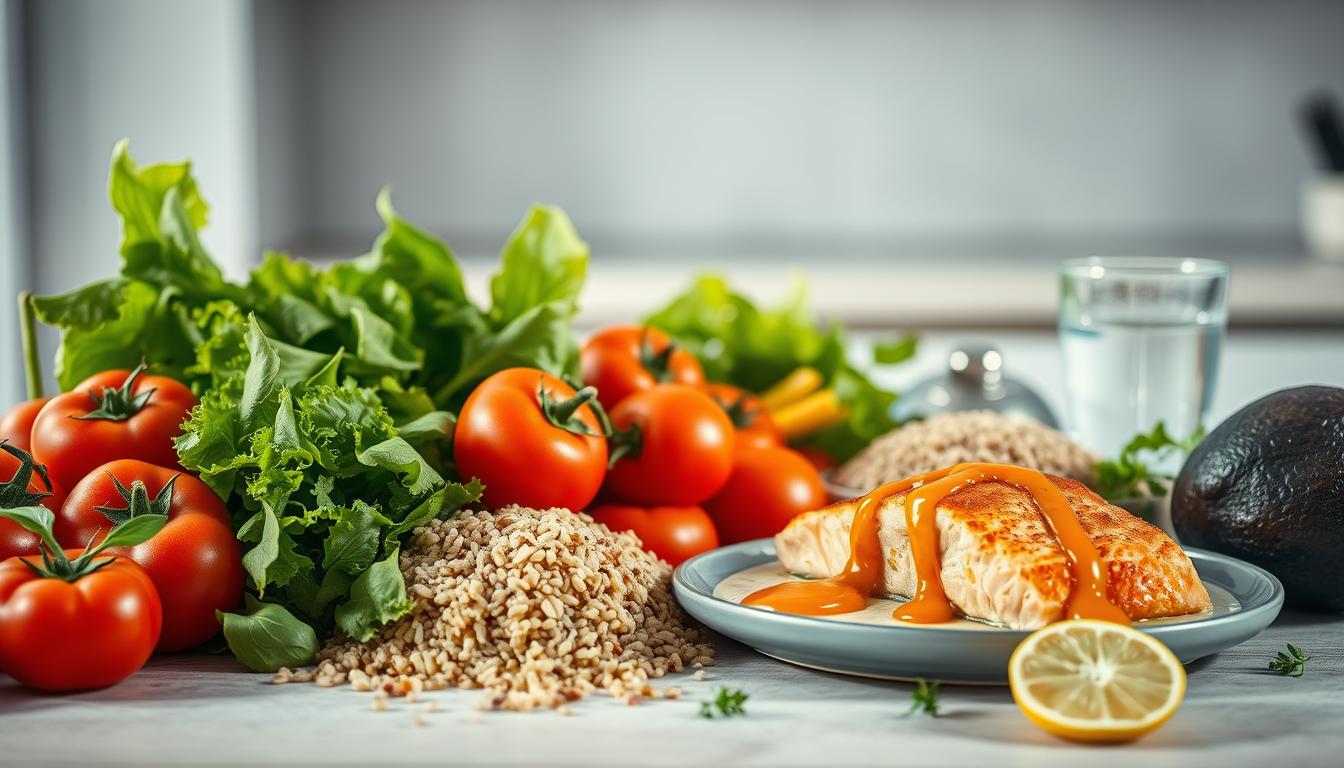
Are you aware of the foods that can significantly improve your cardiovascular health? With heart disease being one of the leading causes of death globally, adopting a heart-friendly diet is crucial for maintaining a healthy heart.
Eating the right foods can help lower cholesterol, reduce blood pressure, and prevent heart disease. A well-balanced diet rich in nutrients can make a significant difference in your overall heart health.
Incorporating the right foods into your diet can be simple and delicious. By focusing on a heart-healthy eating plan, you can take a proactive approach to protecting your heart and enhancing your overall well-being.
Key Takeaways
- Understand the importance of a heart-friendly diet in maintaining cardiovascular health.
- Learn how specific foods can help lower cholesterol and reduce blood pressure.
- Discover simple and delicious ways to incorporate heart-healthy foods into your diet.
- Explore the benefits of a well-balanced diet rich in nutrients for overall heart health.
- Take a proactive approach to protecting your heart through informed dietary choices.
Why Your Diet Matters for Heart Health
A well-balanced diet is fundamental to heart health, influencing the risk of cardiovascular diseases. Heart health is a critical aspect of our overall well-being, and dietary choices play a pivotal role in maintaining it. By understanding how diet affects heart health, individuals can make informed decisions to reduce the risk of heart disease.
Understanding Cardiovascular Health Basics
Cardiovascular health refers to the well-being of the heart and blood vessels. Maintaining healthy blood pressure, cholesterol levels, and blood sugar levels are crucial for preventing heart disease. A healthy cardiovascular system ensures that the body’s organs and tissues receive the oxygen and nutrients they need to function properly.
The Connection Between Diet and Heart Disease
Research has shown that diet is a significant factor in the development of heart disease. Consuming high amounts of saturated fats, sodium, and added sugars can increase the risk of heart disease, while a diet rich in fruits, vegetables, whole grains, and lean proteins can help mitigate this risk.
‘The way we eat has a profound impact on our heart health.’
Adopting a heart-healthy diet is a proactive step towards reducing the risk of cardiovascular disease.
Complete Heart-Healthy Foods List for Optimal Cardiovascular Health
Incorporating heart-healthy ingredients into your daily meals can have a profound impact on your cardiovascular well-being. A diet rich in nutrients and low in harmful fats can significantly reduce the risk of heart disease.

What Makes a Food “Heart-Healthy”?
A food is considered “heart-healthy” if it’s rich in nutrients that support heart function and low in substances that can harm the heart. Nutrients like omega-3 fatty acids, fiber, and antioxidants play a crucial role in maintaining cardiovascular health.
Key Nutrients That Support Heart Function
Several key nutrients are essential for heart health. These include omega-3 fatty acids found in fatty fish, fiber from whole grains and fruits, and antioxidants from vegetables and nuts. Incorporating these nutrients into your diet can help support heart function.
Foods to Limit or Avoid
While incorporating heart-healthy foods is important, it’s equally crucial to limit or avoid foods that can harm heart health. These include foods high in saturated and trans fats, sodium, and added sugars. Being mindful of these substances can help you make healthier dietary choices.
By understanding what makes a food “heart-healthy” and being aware of the nutrients and substances to limit, you can make informed decisions about your diet and support your overall cardiovascular health.
Fruits and Vegetables for a Strong Heart
The importance of fruits and vegetables in supporting heart health cannot be overstated. A diet rich in these foods provides essential nutrients, fiber, and antioxidants that help protect the heart.
Berries and Dark-Colored Fruits: Nature’s Antioxidants
Berries such as blueberries, strawberries, and raspberries are packed with antioxidants, including anthocyanins and vitamin C. These compounds help reduce inflammation and oxidative stress, both of which are linked to heart disease. Dark-colored fruits like pomegranates and cherries also offer significant heart health benefits due to their high antioxidant content.
Leafy Greens and Their Heart-Protective Benefits
Leafy greens, including spinach, kale, and collard greens, are rich in vitamins, minerals, and antioxidants. They are particularly high in vitamin K, which helps prevent arterial calcification, and nitrates, which can improve blood flow and lower blood pressure. Incorporating these greens into your diet can significantly support heart health.
How to Incorporate More Produce Daily
Increasing your intake of fruits and vegetables can be simple. Start by adding a serving of fruits or vegetables to each meal. Consider the following tips:
- Add berries to your breakfast cereal or yogurt.
- Include a side salad with leafy greens in your lunch.
- Snack on raw vegetables with hummus.
- Use a variety of colorful vegetables in your stir-fries.
| Fruit/Vegetable | Nutrient | Heart Health Benefit |
|---|---|---|
| Blueberries | Antioxidants | Reduces inflammation |
| Spinach | Nitrates, Vitamin K | Improves blood flow, prevents arterial calcification |
| Apples | Fiber | Helps lower cholesterol |
By incorporating a variety of fruits and vegetables into your diet, you can significantly enhance your heart health and reduce the risk of cardiovascular disease.
Heart-Healthy Protein Sources
Protein is an essential nutrient for overall health, and choosing heart-healthy protein sources can significantly impact cardiovascular well-being. Incorporating the right proteins into your diet can help lower cholesterol levels, reduce blood pressure, and support overall heart health.
Fatty Fish: The Omega-3 Powerhouses
Fatty fish are among the most beneficial protein sources for heart health due to their high content of omega-3 fatty acids. These healthy fats help reduce inflammation, decrease triglycerides, and prevent blood clots. Some of the best fatty fish to include in your diet are salmon, mackerel, and sardines. Omega-3 rich foods can be easily incorporated into heart-healthy recipes such as grilled salmon or sardine salad.

Plant-Based Proteins for Cholesterol Management
Plant-based proteins are another excellent option for heart health. Foods like beans, lentils, and chickpeas are rich in fiber, protein, and various nutrients that help manage cholesterol levels and support cardiovascular health. Incorporating these into your heart-healthy meal plan can be as simple as adding beans to your salads or making lentil soup.
Recommended Portions and Frequency
To reap the benefits of heart-healthy protein sources, it’s essential to consume them in appropriate portions and frequency. The American Heart Association recommends eating fish, particularly fatty fish, at least twice a week. For plant-based proteins, incorporating a variety of beans, lentils, and nuts into your daily meals can be beneficial. Here’s a simple guide:
| Protein Source | Recommended Portion | Frequency |
|---|---|---|
| Fatty Fish | 3 oz cooked | Twice a week |
| Beans/Lentils | 1/2 cup cooked | Daily |
| Nuts/Seeds | 1 oz (handful) | Daily |
By incorporating these heart-healthy protein sources into your diet and following the recommended portions and frequency, you can take a significant step towards supporting your cardiovascular health and overall well-being.
Whole Grains and Fiber for Cardiovascular Support
Whole grains and fiber-rich foods play a significant role in supporting cardiovascular health. Incorporating these foods into your diet can help lower cholesterol levels and reduce the risk of heart disease.
Switching from Refined to Whole Grains
Switching from refined grains to whole grains is a simple yet effective way to improve your heart health. Whole grains include foods like brown rice, quinoa, and whole-wheat bread, which are rich in fiber, vitamins, and minerals. To make the switch, start by replacing refined grains with whole grains in your daily meals. For example, choose whole-grain bread instead of white bread, and opt for brown rice instead of white rice.
Best High-Fiber Options for Cholesterol Control
High-fiber foods are particularly beneficial for cholesterol control. Some of the best high-fiber options include oats, barley, and fruits like apples and berries. Incorporating these foods into your diet can help lower LDL cholesterol and improve overall heart health. Aim to include a variety of high-fiber foods in your meals to reap the benefits.
By making these simple changes, you can adopt a more heart-friendly diet and support your overall cardiovascular health. Remember, a heart-healthy lifestyle is not just about food choices, but also about maintaining a balanced diet and regular physical activity.
Heart-Friendly Fats and Oils
Understanding the difference between healthy and unhealthy fats is key to a heart-healthy diet. While it’s common to associate fats with negative health impacts, certain types are not only beneficial but essential for overall well-being.

Monounsaturated and Polyunsaturated Fat Sources
Monounsaturated and polyunsaturated fats are known for their heart health benefits. Foods rich in these fats include:
- Avocados, which are rich in monounsaturated fats and can help lower LDL cholesterol.
- Nuts and seeds, such as almonds and flaxseeds, which are good sources of both mono- and polyunsaturated fats.
- Fatty fish like salmon and sardines, which are high in omega-3 fatty acids, a type of polyunsaturated fat.
These foods not only support heart health but also contribute to a balanced diet.
Smart Substitutions for Unhealthy Fats
Making smart substitutions in your diet can significantly reduce your intake of unhealthy fats. Consider replacing:
- Butter with olive oil or avocado oil for cooking.
- Processed snacks with nuts or seeds.
- Saturated fat-rich meats with fatty fish or plant-based protein sources.
By incorporating these substitutions into your daily routine, you can promote heart-healthy eating habits and support overall cardiovascular well-being.
Heart-Healthy Snacks and Meal Planning
Eating for heart health can be both delicious and easy with the right snack and meal ideas. Planning your meals and snacks in advance can help you make healthier choices and avoid last-minute, unhealthy options.
Quick and Easy Heart-Healthy Snack Ideas
Healthy snacking is a great way to keep your heart healthy. Try these quick and easy ideas:
- Raw almonds and dried fruit
- Carrot sticks with hummus
- Fresh berries with Greek yogurt
These snacks are not only delicious but also packed with nutrients that support heart health.
Sample 7-Day Heart-Healthy Meal Plan
A well-planned meal plan can help you stay on track with your heart-healthy diet. Here’s a sample 7-day meal plan:
- Monday: Oatmeal with banana and almond milk
- Tuesday: Grilled salmon with quinoa and steamed vegetables
- Wednesday: Lentil soup with whole-grain bread
- Thursday: Grilled chicken with roasted vegetables and brown rice
- Friday: Vegetable stir-fry with tofu and brown rice
- Saturday: Whole-grain pasta with marinara sauce and sautéed spinach
- Sunday: Breakfast burrito with scrambled eggs, black beans, and avocado
This meal plan includes a variety of heart-healthy foods and can be adjusted based on your personal preferences.
Simple Heart-Friendly Recipes to Try
As “The American Heart Association” suggests, incorporating heart-healthy recipes into your meal plan can be both fun and rewarding. Try this simple recipe for heart-healthy oatmeal cookies:
‘Mix 1 cup rolled oats, 1/2 cup almond butter, 1/2 cup honey, 1 egg, 1/2 cup chopped nuts, and 1/2 cup dried fruit. Scoop onto a baking sheet and bake at 375°F for 10-12 minutes.’
These cookies are not only delicious but also packed with heart-healthy ingredients.
Conclusion: Building Lifelong Heart-Healthy Eating Habits
Embracing a heart-healthy lifestyle is a journey that involves making sustainable changes to your diet and daily habits. By incorporating the heart-friendly foods and tips outlined in this article, you can take significant steps towards supporting your cardiovascular health.
Adopting a heart-healthy eating pattern is not about deprivation; it’s about making informed choices that nourish your body. Focus on whole, unprocessed foods like fruits, vegetables, whole grains, and lean proteins to create a balanced diet.
As you continue on your path to a healthier heart, remember that small, consistent changes can lead to lasting benefits. By prioritizing heart-healthy eating, you’re investing in a stronger, healthier you.
FAQ
What are the best foods for a heart-healthy diet?
A heart-healthy diet includes a variety of foods such as fatty fish, leafy greens, berries, whole grains, and plant-based proteins. These foods are rich in nutrients like omega-3 fatty acids, fiber, and antioxidants that support heart health.
How can I incorporate more heart-healthy foods into my diet?
Start by making simple changes like replacing refined grains with whole grains, adding more fruits and vegetables to your meals, and choosing lean protein sources like poultry and fish. You can also try new recipes that feature heart-healthy ingredients.
Are there any specific nutrients that are particularly beneficial for heart health?
Yes, omega-3 fatty acids, fiber, and antioxidants are some of the key nutrients that support heart health. You can find these nutrients in foods like fatty fish, nuts, seeds, and a variety of fruits and vegetables.
Can I still enjoy my favorite foods if I’m following a heart-healthy diet?
Yes, you can still enjoy your favorite foods in moderation. The key is to make sustainable changes to your diet by incorporating more heart-healthy foods and limiting or avoiding foods that are high in unhealthy fats, salt, and sugar.
How can I plan heart-healthy meals on a budget?
Planning heart-healthy meals on a budget can be achieved by buying in bulk, shopping for seasonal produce, and preparing meals in advance. You can also try simple and affordable heart-healthy recipes that use ingredients like beans, lentils, and whole grains.
What are some heart-healthy snack options?
Some heart-healthy snack options include fresh fruits, raw vegetables with hummus, nuts and seeds, and energy balls made with oats and nuts. You can also try air-popped popcorn or a handful of dried fruit.
How often should I eat fatty fish for heart health?
Fatty fish like salmon and sardines are rich in omega-3 fatty acids that support heart health. Aim to include fatty fish in your diet at least twice a week to reap the benefits.
Can a heart-healthy diet help lower cholesterol levels?
Yes, a heart-healthy diet that is rich in soluble fiber, omega-3 fatty acids, and antioxidants can help lower cholesterol levels. Foods like oats, barley, nuts, and fatty fish can help support healthy cholesterol levels.