
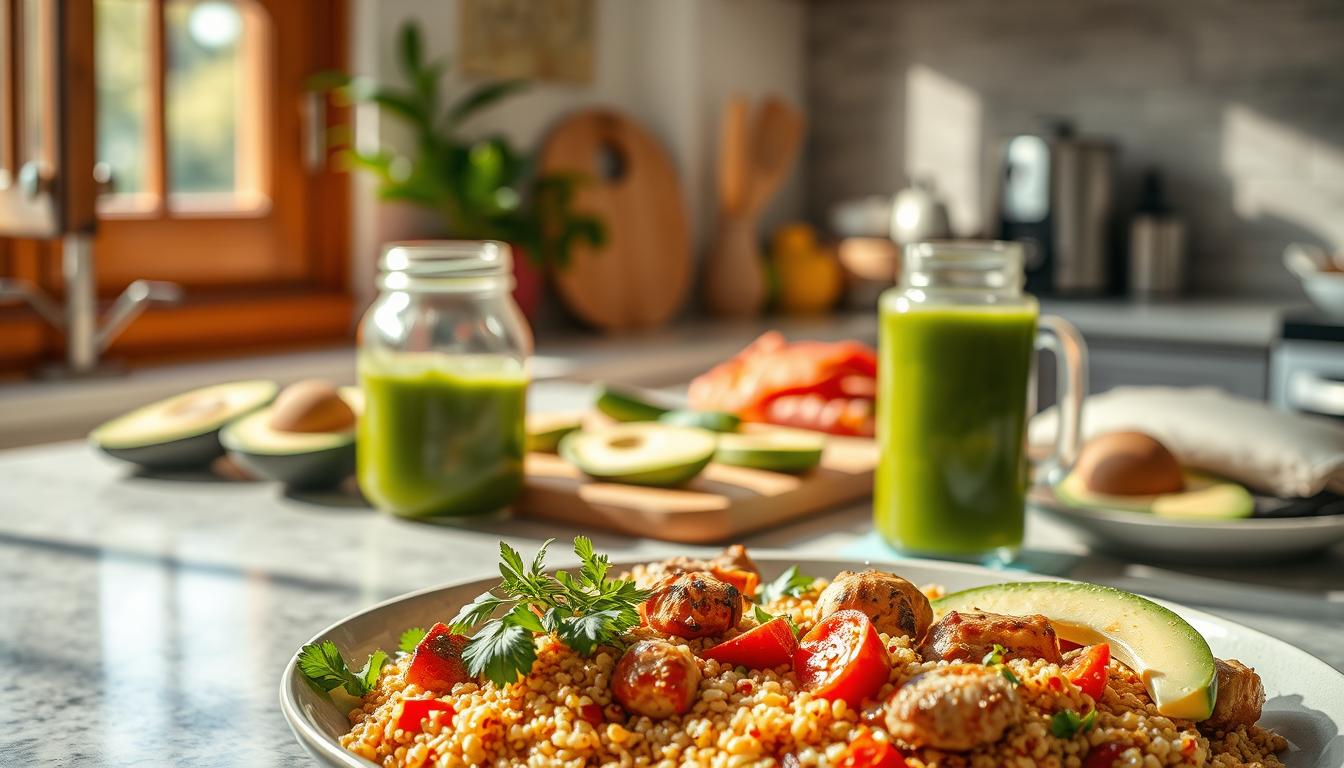
Are you tired of feeling sluggish and unmotivated? Are you looking for a way to nourish your body and boost your energy levels? A well-structured meal plan can be the key to unlocking a healthier, happier you.
A clean eating meal plan focuses on whole, unprocessed foods that provide essential nutrients for optimal health. By incorporating healthy meal prep into your routine, you can save time, reduce stress, and enjoy delicious, nutritious meals.
Key Takeaways
- Discover the benefits of a clean eating meal plan for overall health and well-being.
- Learn how to create a healthy meal prep routine that suits your lifestyle.
- Explore the importance of whole, unprocessed foods in a balanced diet.
- Find out how a well-structured meal plan can boost energy levels and support weight management.
- Get tips on how to make healthy eating a sustainable and enjoyable experience.
Understanding Clean Eating: Back to Basics
Clean eating is more than just a diet; it’s a lifestyle choice that focuses on consuming whole, unprocessed foods. This approach to nutrition emphasizes the importance of natural, nutrient-rich foods that nourish the body and promote overall well-being.
What Clean Eating Really Means
Clean eating is about simplifying your diet by focusing on whole foods and eliminating processed ones. It involves choosing nutritionally balanced meals that are rich in vitamins, minerals, and antioxidants. By doing so, individuals can experience the numerous clean eating benefits, including improved health and energy levels.
Foods to Embrace and Avoid
A key aspect of clean eating is knowing which foods to embrace and avoid. The diet encourages the consumption of whole, unprocessed foods like vegetables, fruits, lean proteins, and whole grains. On the other hand, it advises limiting or avoiding processed and packaged foods that are high in unhealthy fats, sugars, and salts. Incorporating wholesome recipes into your meal plan can make clean eating both enjoyable and sustainable.
| Foods to Embrace | Foods to Avoid |
|---|---|
| Fresh Vegetables | Processed Snacks |
| Lean Proteins | Sugary Drinks |
| Whole Grains | Refined Carbohydrates |
Clean Eating vs. Other Dietary Approaches
Clean eating differs from other dietary approaches in its simplicity and focus on whole foods. Unlike restrictive diets that count calories or track macronutrients, clean eating is about making sustainable lifestyle changes. As Dr. Mark Hyman once said,
“The food you eat can either be the safest and most powerful form of medicine, or the slowest form of poison.”
This philosophy underlines the clean eating approach, emphasizing the importance of food choices in overall health.
The Transformative Benefits of Clean Eating
The benefits of clean eating are multifaceted, ranging from physical health improvements to enhanced mental clarity. By adopting a clean eating lifestyle, individuals can experience a significant transformation in their overall well-being.
Physical Health Improvements
Clean eating leads to numerous physical health improvements. By focusing on whole, nutrient-dense foods, individuals can boost their immune system, improve digestion, and reduce the risk of chronic diseases. A diet rich in fruits, vegetables, and whole grains provides essential vitamins and minerals that support overall health.
- Enhanced nutrient absorption
- Improved gut health
- Reduced inflammation
Mental Clarity and Energy Boosts
A clean eating diet not only benefits the body but also has a profound impact on mental health. Consuming foods high in antioxidants and omega-3 fatty acids can improve cognitive function and reduce symptoms of anxiety and depression. Moreover, the sustained energy levels from complex carbohydrates and lean proteins help individuals stay focused and productive throughout the day.
“Eating clean is not just about physical health; it’s about mental well-being too.”
Long-term Health Advantages
The long-term advantages of clean eating are substantial. By maintaining a diet rich in whole foods, individuals can reduce their risk of developing chronic conditions such as heart disease, diabetes, and certain cancers. Furthermore, clean eating promotes healthy aging by supporting cellular health and reducing oxidative stress.
Some of the key long-term benefits include:
- Reduced risk of chronic diseases
- Improved longevity
- Enhanced quality of life
How to Create Your Clean Eating Meal Plan
A well-structured meal plan is the backbone of a successful clean eating journey. It not only helps you stay on track but also ensures that you’re getting the nutrients your body needs.
Step 1: Assessing Your Nutritional Needs
Understanding your nutritional needs is the first step in creating a clean eating meal plan. This involves considering factors such as age, gender, activity level, and health goals. For instance, an athlete may require more protein to support muscle repair, while someone with a sedentary lifestyle may need to focus on reducing calorie intake. You can use online nutritional calculators or consult with a healthcare professional to determine your daily caloric and nutrient requirements.
Step 2: Balancing Macronutrients for Optimal Health
Balancing macronutrients is crucial for maintaining optimal health. Your diet should include a mix of carbohydrates, proteins, and fats. Carbohydrates provide energy, proteins support muscle growth and repair, and fats are essential for brain function and hormone production. A balanced meal plan might include 45-65% carbohydrates, 15-20% protein, and 20-35% fat. For example, a meal could consist of grilled chicken (protein), quinoa (carbohydrate), and avocado (healthy fat). Here’s a sample macronutrient breakdown:
| Macronutrient | Recommended Daily Intake | Example Foods |
|---|---|---|
| Carbohydrates | 45-65% | Whole grains, fruits, vegetables |
| Protein | 15-20% | Lean meats, fish, eggs, legumes |
| Fats | 20-35% | Nuts, seeds, avocados, olive oil |
Step 3: Customizing for Dietary Restrictions and Preferences
Customizing your meal plan to accommodate dietary restrictions and preferences is vital for long-term adherence. Whether you’re vegan, gluten-free, or have other dietary needs, your meal plan should be tailored accordingly. For instance, if you’re vegan, you can replace animal proteins with plant-based options like tofu, tempeh, and legumes. If you’re gluten-free, focus on gluten-free grains like rice, quinoa, and corn. As Dr. Andrew Weil, a renowned integrist, once said,
“The key to successful eating is to eat a variety of whole, unprocessed foods.”
This approach ensures that your meal plan is not only clean but also enjoyable and sustainable.
To further illustrate, let’s consider an example of a clean eating meal plan that incorporates these principles:

By following these steps and creating a personalized meal plan, you can ensure that you’re fueling your body with the right foods to support your health and wellness goals.
Smart Meal Prep Strategies for Clean Eating Success
A well-planned meal prep strategy can make all the difference in your clean eating journey. By dedicating time to preparing your meals, you can ensure that you’re fueling your body with the right foods, avoiding last-minute unhealthy choices. Effective meal prep involves more than just cooking; it’s about creating a system that works for you and your lifestyle.
Essential Kitchen Tools and Organic Ingredient List
To start meal prepping, you’ll need the right tools. Essential kitchen tools include a good chef’s knife, cutting boards, and airtight containers. Investing in a slow cooker or Instant Pot can also be beneficial for preparing meals in advance. When it comes to ingredients, focus on organic produce, lean proteins, and whole grains. Here are some staples to include in your organic ingredient list:
- Fresh vegetables and fruits
- Lean proteins like chicken, fish, and tofu
- Whole grains such as quinoa, brown rice, and whole wheat
- Nuts and seeds for healthy snacking
Weekend Prep: Setting Yourself Up for Success
Dedicate a few hours on the weekend to meal prep, and you’ll be setting yourself up for a successful week. Start by planning your meals, then make a grocery list based on your plan. When you’re at the store, stick to your list to avoid impulse buys. Once you’re home, begin chopping vegetables, cooking proteins, and assembling your meals. Consider preparing a few versatile dishes that can be mixed and matched throughout the week.
Storage Solutions for Maximum Freshness
Proper storage is key to keeping your prepped meals fresh. Invest in a variety of airtight containers that are safe for both the fridge and freezer. Glass containers are a great option as they are non-toxic and can be used for both hot and cold foods. Label your containers with the date and contents, and store them in a way that makes it easy to grab what you need on the go.
By implementing these smart meal prep strategies, you’ll be well on your way to achieving clean eating success. Remember, the goal is to make healthy eating convenient and enjoyable.
7-Day Clean Eating Meal Plan with Wholesome Recipes
Embracing clean eating is easier when you have a delicious and wholesome meal plan to follow. A well-structured meal plan not only helps you stay on track but also ensures that you’re getting the nutrients your body needs. Here’s a 7-day clean eating meal plan that includes a variety of energizing breakfast options, nutritionally balanced lunches and dinners, and simple meal ideas for snacks and treats.
Energizing Breakfast Options
Starting your day with a nutritious breakfast is crucial. Some energizing options include overnight oats with fresh fruits, scrambled eggs with spinach, and avocado toast on whole-grain bread. These breakfast ideas are not only delicious but also packed with nutrients to keep you going throughout the morning.
Nutritionally Balanced Lunches and Dinners
For lunch and dinner, focus on incorporating a balance of protein, healthy fats, and complex carbohydrates. Grilled chicken or fish with roasted vegetables and quinoa is a great option. You can also try lentil soup with a side of mixed greens salad or stir-fry with lean beef and a variety of colorful vegetables.

Simple Meal Ideas for Snacks and Treats
Snacking is an essential part of clean eating. Here are some simple meal ideas for snacks and treats:
Quick Prep Snacks
Quick prep snacks are perfect for busy days. Try making energy balls with oats and nuts, or having carrot sticks with hummus. These snacks are easy to prepare and are great for on-the-go.
Make-Ahead Treats
Make-ahead treats like homemade granola bars or fruit salad with yogurt are not only healthy but also convenient. They can be prepared in advance and are perfect for when you need a quick energy boost.
By incorporating these meal ideas into your 7-day clean eating meal plan, you’ll be well on your way to nourishing your body with wholesome, delicious foods.
Conclusion: Embracing Clean Eating as a Lifestyle
As we’ve explored throughout this article, adopting a clean eating meal plan is more than just a dietary change; it’s a step towards a healthier, more balanced lifestyle. By understanding the principles of clean eating and its numerous benefits, you’re empowered to make informed choices that nourish your body and enhance your overall well-being.
The clean eating benefits are multifaceted, ranging from improved physical health to increased mental clarity and energy. By following a well-structured meal planning guide, you can seamlessly integrate clean eating into your daily routine, ensuring that you’re fueling your body with the right foods.
As you continue on your clean eating journey, remember that consistency and patience are key. Start by implementing the smart meal prep strategies and wholesome recipes outlined in this article, and don’t be afraid to experiment and tailor your meal plan to suit your preferences and dietary needs.
By embracing clean eating as a lifestyle, you’re not only investing in your health but also cultivating a positive relationship with food that will benefit you for years to come.
FAQ
What is a clean eating meal plan?
A clean eating meal plan focuses on consuming whole, unprocessed foods, excluding artificial additives, preservatives, and unhealthy fats, to promote overall health and well-being.
How does clean eating benefit my overall health?
Clean eating can lead to physical health improvements, mental clarity, and energy boosts, as well as long-term health advantages, such as reduced risk of chronic diseases.
What are some simple meal ideas for clean eating?
Simple meal ideas include preparing nutritionally balanced meals with organic ingredients, such as omelets with vegetables, grilled chicken with quinoa, and salads with lean protein sources.
How do I create a personalized clean eating meal plan?
To create a personalized clean eating meal plan, start by assessing your nutritional needs, then balance your macronutrients, and customize the plan according to your dietary restrictions and preferences.
What are some effective meal prep strategies for clean eating?
Effective meal prep strategies include using essential kitchen tools, preparing meals on the weekends, and utilizing storage solutions to maintain freshness and make healthy eating convenient.
Can I still enjoy snacks and treats on a clean eating meal plan?
Yes, you can enjoy simple meal ideas for snacks and treats, such as quick prep snacks like fruit and nuts, and make-ahead treats like energy balls made with wholesome ingredients.
How do I maintain a clean eating lifestyle long-term?
To maintain a clean eating lifestyle, focus on making sustainable changes, being consistent, and continually educating yourself on wholesome recipes and healthy meal prep strategies.