
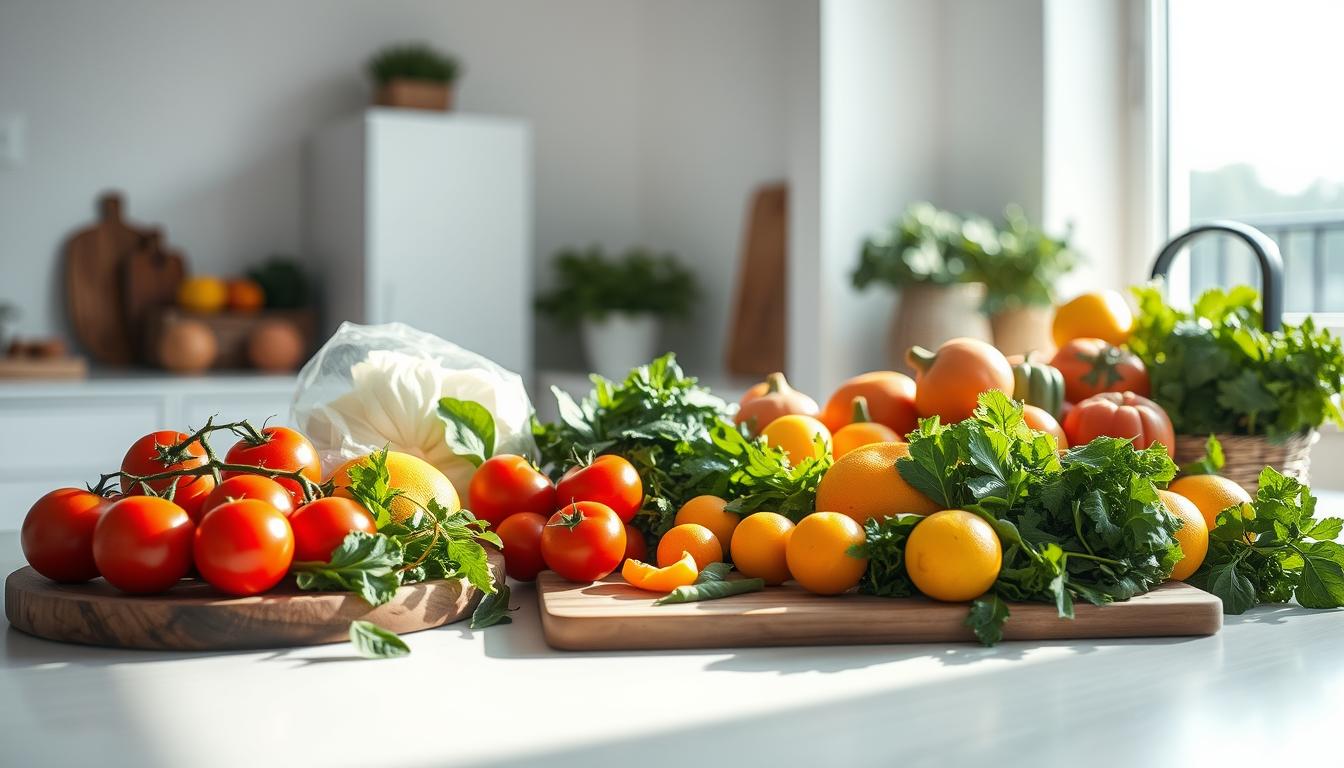
Are you tired of feeling sluggish and unmotivated? Are you looking for a way to boost your energy and overall well-being? Adopting a healthier approach to food can be the key to unlocking a more vibrant you.
Adopting a clean eating lifestyle is about making informed choices that nourish your body. By focusing on whole, nutrient-dense foods, you can experience the benefits of healthy eating habits, such as improved digestion, weight management, and enhanced mental clarity.
By incorporating simple changes into your daily routine, you can start to feel the positive impact of a balanced diet. So, are you ready to take the first step towards a healthier, happier you?
Key Takeaways
- Understand the principles of a clean eating lifestyle
- Learn how to make informed food choices
- Discover the benefits of healthy eating habits
- Start incorporating simple changes into your daily routine
- Experience the positive impact of a balanced diet
What Is Clean Eating? Understanding the Basics
Understanding clean eating begins with recognizing the importance of whole, unprocessed foods in our diet. Clean eating is not just about following a diet; it’s a lifestyle choice that emphasizes natural food choices to improve overall health and well-being.
The Philosophy Behind Clean Eating
The philosophy behind clean eating is centered around consuming foods that are as close to their natural state as possible. This means focusing on whole foods like vegetables, fruits, whole grains, lean proteins, and healthy fats. By doing so, individuals can avoid the additives, preservatives, and excessive sugars found in processed foods.
Common Misconceptions About Clean Eating
Despite its growing popularity, clean eating is often misunderstood. Let’s address some common myths.
Myth: Clean Eating Is Expensive
While some specialty clean eating products can be pricey, the basics of clean eating are not inherently expensive. Buying whole foods in season and planning meals can make clean eating affordable.
Myth: Clean Eating Means Eliminating Food Groups
Clean eating is not about deprivation; it’s about making informed choices. It’s possible to enjoy a balanced diet that includes a variety of foods without eliminating entire food groups.
| Food Group | Clean Eating Choices | Processed Alternatives to Avoid |
|---|---|---|
| Fruits | Fresh, frozen, or dried fruits | Fruit juices with added sugars |
| Grains | Whole grains like quinoa, brown rice | Refined grains like white bread, sugary cereals |
| Proteins | Lean meats, fish, eggs, legumes | Processed meats, high-sodium sausages |
The Benefits of Embracing a Clean Eating Lifestyle
Adopting a clean eating lifestyle can have a profound impact on overall health and well-being. By focusing on whole, nutrient-dense foods, individuals can experience a wide range of benefits that extend beyond just physical health.
Physical Health Improvements
Clean eating can lead to significant improvements in physical health. Two key areas of improvement are:
Weight Management and Energy Levels
Eating clean helps in maintaining a healthy weight and boosts energy levels. Nutrient-dense foods provide the body with the necessary fuel to function optimally.
Digestive Health and Immune Function
A diet rich in whole foods supports digestive health and strengthens the immune system. Probiotics and fiber-rich foods play a crucial role in maintaining a healthy gut.
Mental and Emotional Wellness Benefits
Clean eating also has a positive impact on mental and emotional well-being. A healthy diet can improve mood and reduce stress levels. As
“You are what you eat”
suggests, the food we consume has a direct impact on our overall health.
Environmental Impact of Your Food Choices
Embracing clean eating practices often means adopting sustainable eating practices. Choosing locally sourced, seasonal produce can significantly reduce one’s carbon footprint. This approach not only benefits personal health but also supports environmental sustainability.

Essential Clean Eating Lifestyle Tips for Beginners
Adopting a clean eating lifestyle is a journey that starts with small, informed steps. For beginners, understanding the basics and implementing practical strategies can make a significant difference in their success.
Start with Small, Sustainable Changes
Transitioning to clean eating doesn’t have to be overwhelming. Start by making one or two changes to your diet each week. For example, you could begin by replacing processed snacks with whole foods like fruits, nuts, or carrot sticks with hummus. Gradually increasing your intake of whole foods while reducing processed items can lead to sustainable long-term habits.
Reading Food Labels Effectively
Understanding food labels is crucial for clean eating. It’s not just about avoiding certain ingredients but also about being aware of what you’re consuming.
Ingredients to Avoid
When reading labels, look out for added sugars, artificial preservatives, and unhealthy fats. Ingredients like high-fructose corn syrup, sodium nitrate, and partially hydrogenated oils are indicators of processed foods that are best avoided.
Understanding Nutrition Facts
Pay attention to the serving size and the amount of nutrients per serving. Be mindful of the percentages of daily values for vitamins and minerals. A clean eating diet focuses on nutrient-dense foods, so choose products that offer a high nutritional value.
| Nutrient | Importance | Food Sources |
|---|---|---|
| Fiber | Aids digestion and satiety | Whole grains, fruits, vegetables |
| Protein | Essential for muscle repair and energy | Lean meats, beans, lentils, tofu |
| Healthy Fats | Supports heart health and brain function | Nuts, seeds, avocados, olive oil |
Planning and Preparation Strategies
Effective meal planning and preparation are key to maintaining a clean eating lifestyle. Set aside time each week to plan your meals, make a grocery list, and prep ingredients. Cooking in bulk and having healthy meals ready can save time and reduce the temptation to opt for processed foods.
By incorporating these tips into your daily routine, you’ll be well on your way to adopting a clean eating lifestyle that is both sustainable and enjoyable.
Building Your Clean Eating Pantry
The journey to clean eating begins with a pantry stocked with wholesome foods. A well-organized pantry not only makes meal preparation easier but also helps in avoiding unhealthy, processed foods. By focusing on whole foods and smart shopping strategies, you can create a clean eating pantry that supports your health goals.
Whole Foods to Always Have on Hand
Stocking your pantry with whole foods is the first step towards clean eating. These include:
- Grains: Brown rice, quinoa, and whole wheat pasta
- Canned Goods: Black beans, diced tomatoes, and tuna
- Nuts and Seeds: Almonds, chia seeds, and flax seeds
- Dried Fruits: Dates, apricots, and prunes
These foods are not only nutritious but also versatile, making it easy to prepare a variety of meals.
Clean Alternatives to Common Processed Ingredients
Replacing processed ingredients with cleaner alternatives can significantly improve your diet. For example:
- Use whole wheat flour instead of refined flour for baking.
- Choose coconut sugar or honey over refined sugar.
- Opt for canned beans without added salt or cook dried beans at home.
Smart Shopping on a Budget
Eating clean doesn’t have to be expensive. Here are some tips for smart shopping:
Seasonal Buying Tips
Buying produce in season is not only cost-effective but also ensures freshness and flavor. For instance, purchasing apples in fall or berries in summer can be more affordable and taste better.
Bulk Purchasing Strategies
Buying in bulk can save money and reduce packaging waste. Consider purchasing grains, nuts, and dried fruits in bulk. Just ensure you have proper storage to maintain freshness.

By implementing these strategies, you can build a clean eating pantry that supports your healthy eating habits without breaking the bank. Happy cooking!
Creating Balanced and Wholesome Meals
Creating balanced meals is at the heart of a clean eating lifestyle. By focusing on whole, nutrient-dense foods, you can ensure that your body receives the necessary nutrients to function optimally. A balanced meal typically includes a mix of protein, healthy fats, and complex carbohydrates, along with a variety of vitamins and minerals.
Breakfast Ideas for Clean Eaters
Starting your day with a nutritious breakfast is crucial. Overnight oats with fresh fruits and nuts make for a quick and easy breakfast. Alternatively, you can try avocado toast on whole-grain bread with a fried egg. These breakfast ideas are not only delicious but also packed with nutrients.
Lunch and Dinner Clean Eating Recipes
For lunch and dinner, incorporating a variety of colors on your plate can ensure you’re getting a range of nutrients. Grilled chicken or fish with roasted vegetables is a simple yet effective option. You can also explore quinoa salads with mixed vegetables and a citrus vinaigrette. These meals are both satisfying and nutritious.
Healthy Snacking Options
Snacking is an essential part of maintaining energy levels throughout the day. Healthy snacking options include fruits, nuts, and carrot sticks with hummus.
Quick Prep Snacks
Fresh fruit and cheese skewers are easy to prepare and fun to eat. Trail mix made with nuts, seeds, and dried fruits is another quick option.
Make-Ahead Snack Ideas
You can prepare energy balls made with oats, peanut butter, and honey ahead of time. Homemade granola bars are another great make-ahead snack that’s perfect for busy days.
By incorporating these ideas into your daily routine, you can maintain a balanced and wholesome diet that supports your overall health and well-being.
Maintaining Your Clean Eating Lifestyle
Maintaining a clean eating lifestyle requires commitment, but with the right strategies, it can become a sustainable part of your daily routine. One of the challenges clean eaters face is navigating social situations and dining out while staying true to their dietary principles.
Eating Clean While Dining Out
Dining out doesn’t have to derail your clean eating efforts. By choosing restaurants that offer fresh, whole foods and being mindful of menu options, you can stay on track. Look for dishes that are prepared using simple, natural ingredients.
Handling Social Situations and Special Occasions
Social gatherings and special occasions can be tricky, but there are ways to manage them without sacrificing your clean eating goals. Planning ahead, eating before you go, and bringing a dish to share are all effective strategies.
Getting Back on Track After Slip-ups
It’s not about being perfect; it’s about getting back on track when you slip up. Recognize that setbacks are a normal part of the journey and have a plan in place to refocus on your clean eating goals.
Creating a Sustainable Routine
Creating a routine that includes meal planning, grocery shopping, and cooking can help make clean eating a habit. Consistency is key to making sustainable eating practices a part of your lifestyle.
Finding Support and Resources
Having the right support can make all the difference. Connect with like-minded individuals, join clean eating communities, or find a health coach to help keep you motivated and on track.
| Clean Eating Tips | Benefits |
|---|---|
| Plan Your Meals | Saves time and money |
| Cook at Home | Control over ingredients |
| Dine Out Wisely | Enjoy social eating while staying on track |

“The food you eat can either be the safest and most powerful form of medicine or the slowest form of poison.”
By incorporating these strategies into your daily life, you can maintain a clean eating lifestyle that is both sustainable and enjoyable.
Conclusion: Your Journey to a Healthier You Through Clean Eating
Embracing a clean eating lifestyle is a powerful step towards achieving overall wellness. By understanding the basics of clean eating and incorporating clean eating recipes into your daily routine, you can experience significant improvements in your physical and mental health. The key is to start with small, sustainable changes and gradually work your way towards a balanced diet rich in whole foods.
As you’ve learned, reading food labels effectively, planning meals, and stocking your pantry with whole foods are essential nutrition tips for clean eating. By applying these practical tips, you can maintain a healthy eating lifestyle even in challenging situations, such as dining out or handling special occasions.
Your journey to a healthier you through clean eating is unique and ongoing. Stay committed, be patient, and celebrate your progress along the way. With persistence and the right guidance, you can achieve a healthier, happier you.
FAQ
What is clean eating, and how does it differ from other diets?
Clean eating is a lifestyle approach to nutrition that focuses on consuming whole, unprocessed foods, excluding additives, preservatives, and artificial ingredients. It differs from other diets by emphasizing the quality of food rather than calorie counting or restrictive eating.
Is clean eating expensive?
While some specialty clean eating products can be pricey, a clean eating lifestyle can be budget-friendly by focusing on whole foods, buying in bulk, and planning meals around seasonal produce.
How do I start a clean eating lifestyle?
Begin by making small changes, such as replacing processed snacks with whole foods, reading food labels, and planning meals. Gradually work your way up to more significant changes, like cooking from scratch and avoiding processed ingredients.
What are some common clean eating mistakes to avoid?
Common mistakes include relying too heavily on processed “clean” products, not eating a balanced diet, and being too restrictive. Focus on variety, whole foods, and flexibility to maintain a healthy clean eating lifestyle.
Can I still enjoy my favorite foods on a clean eating diet?
Yes, you can still enjoy your favorite foods, but with a clean eating twist. Try making healthier versions of your favorite dishes using whole foods and natural ingredients, or find clean alternatives to your favorite processed foods.
How do I maintain a clean eating lifestyle while dining out or at social gatherings?
When dining out, choose restaurants that serve whole, unprocessed foods, and don’t be afraid to ask questions about ingredients and preparation methods. At social gatherings, bring a clean eating dish to share, or opt for whole foods like fruits and vegetables.
What are some tips for clean eating on a budget?
To eat clean on a budget, plan your meals, buy in bulk, shop for seasonal produce, and cook from scratch. Avoid processed and pre-packaged foods, and take advantage of sales and discounts on whole foods.
How can I stay motivated and committed to my clean eating lifestyle?
Stay motivated by setting realistic goals, tracking your progress, and finding a community of like-minded individuals. Celebrate your successes, and don’t be too hard on yourself when you slip up – simply get back on track.